


Same Device, Different Prices. Why?
The age of price decoding, and a standard for understanding treatment costs
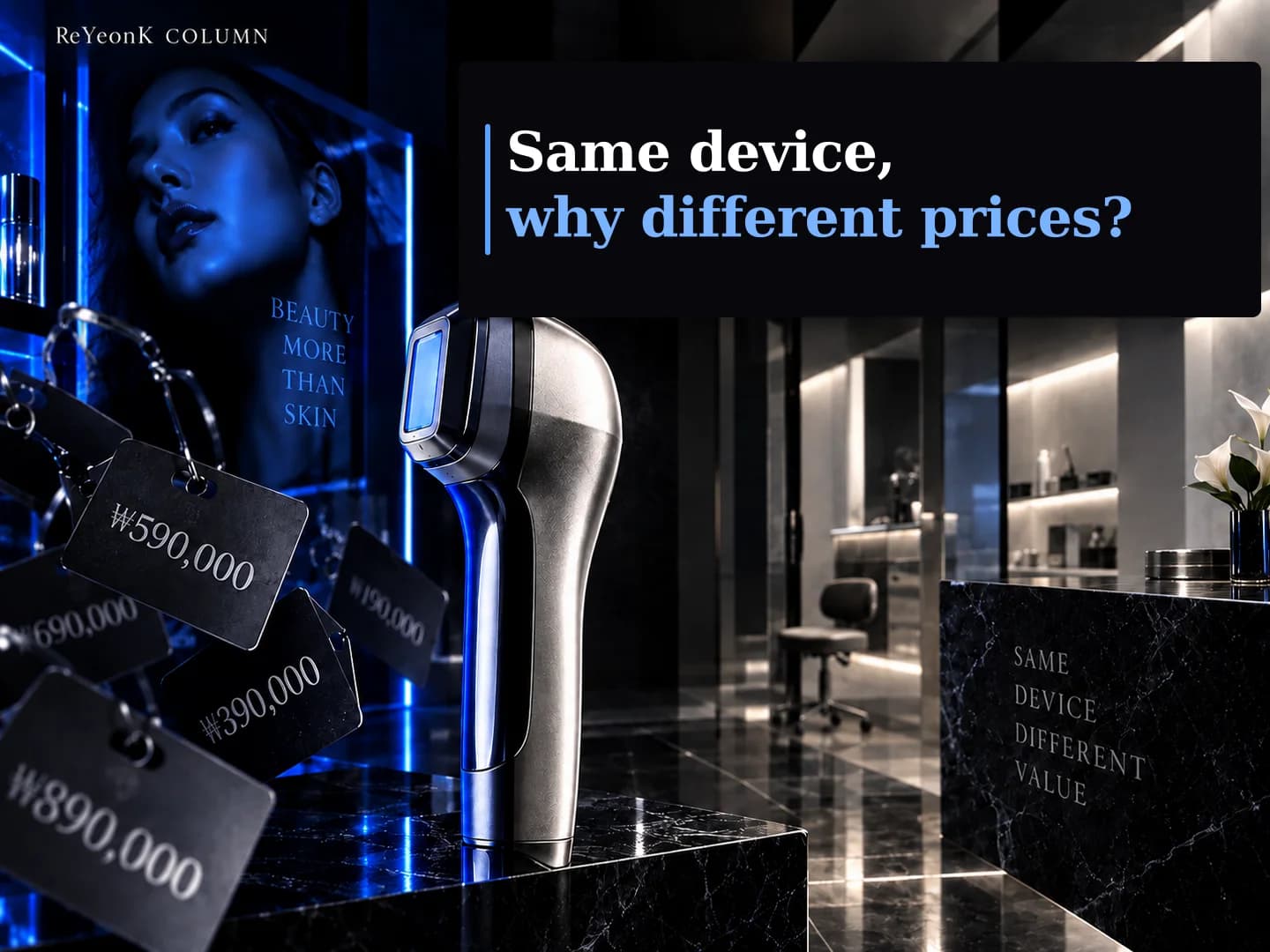
A treatment price is not defined by the device name and shot count alone. Comparison is only possible when you can read what is included: diagnosis, design, the actual treatment, and follow-up.
Patients now take price lists apart
There are times when a clinic's prices seem to be set by marketing competition and interior costs rather than skill or actual results. I find that reality unfortunate. An expensive clinic is not necessarily a good one, and a cheap clinic is not necessarily a sensible one. What you ultimately need to look at is not the price list but how your face was diagnosed, why this treatment was chosen, and who performs it and how.
Treatments with the same name are not the same experience. The depth and intensity of energy, the spacing of passes, the distribution by area, pain management, and the order relative to other treatments can all differ. To compare prices properly, first check whether the medical service being provided is actually the same.
More important than the cost of equipment is the cost of judgment
Necessary treatments should be done, and unnecessary ones should not. Good care includes not only the judgment of what to do but also the judgment of what does not need to be done right now. What looks like sagging may be skin laxity, fat, muscle, or bone in different proportions for each person, so sometimes postponing a treatment or choosing another method is the better option.
That is why a reasonable price is not the same as a low price. Rather than repeating treatments that do not fit your concern, setting priorities and doing only what is needed can reduce total cost and burden.
A price that can be explained builds trust
What patients want to hear is not "it's expensive, so it's good." They want to know why this treatment is needed, what change to expect if they do not choose it, what less burdensome alternatives exist, and how far the cost extends. A clinic should translate the reasoning behind diagnosis and choice rather than listing product names.
ReYeonK summarizes each consultation on a single page, the My Skin Plan. It records the current condition, this visit's priority, the role of the chosen treatment, the expected course, and the next decision point. It is a process that turns the price list from a sales tool into a decision sheet.
Four things to check when comparing prices
First, can your concern and treatment goal be explained in one sentence? Second, beyond the device name, are the area and extent, the tip or cartridge, and the person performing the treatment clearly stated? Third, are pain management and follow-up included? Fourth, are the conditions under which extra costs may arise explained in advance? Only when these four match can prices be compared on the same basis.
Results cannot be judged by the amount of treatment or by whether the price is high or low. A good choice is one where you can see how the money you pay leads to diagnosis, design, treatment, and aftercare.
Questions to think about before your consultation
How much of diagnosis, treatment, and follow-up does this cost include?
What exactly is this device's role in my concern?
What choices can I skip for now, and what less burdensome alternatives are there?
ReYeonK's treatment packages and prices can be checked in the current event listing.
Whether a treatment is needed and how well it works varies from person to person. Which treatment is right for you is decided in consultation after examining the skin directly.
Treatments in this article
More from the Doctor's Column